

 Voltar
From the Dodgers’ Tarik Skubal dilemma to the Yankees’ Jazz Chisholm Jr. crossroads, every club faces a decision that could […]
Baseball’s most dangerous offseason decisions often begin with a reasonable argument.
Keep the productive veteran. Pay the starting pitcher. Give the former star another chance. Lock up the young player before his price explodes.
Then the injuries pile up, the production disappears or the player who got away becomes someone else’s bargain.
This winter will force all 30 MLB teams to weigh those possibilities. Some face expensive free-agent negotiations. Others must decide whether to exercise an option, pursue an extension or stop letting an existing contract dictate their plans.
These are our picks for the most difficult contract decisions facing each team entering the 2026-27 offseason, along with the approach each club should take.
Gallen’s return on a one-year contract gave Arizona another chance to benefit from a familiar pitcher’s rebound. His expiring deal is reflected in FanGraphs’ payroll breakdown.
The next negotiation should be considerably less sentimental. Arizona must evaluate the pitcher it expects to get, rather than the one who helped carry it to the 2023 World Series.
Iglesias is headed back toward free agency after playing on a one-year contract, and The Atlanta Journal-Constitution identified his future as a key offseason question.
Atlanta must weigh the value of keeping an established late-inning arm against the risk of guaranteeing multiple seasons to a pitcher approaching 37.
Rogers is entering free agency, a situation documented in FanGraphs’ Orioles contract ledger. Baltimore must decide how much of its future pitching budget belongs to him.
The temptation to preserve rotation stability is understandable. The danger is treating the best available internal option as someone who must be retained at any price.
Gray’s contract includes a $30 million mutual option for 2027 and a substantial buyout, as Just Baseball explained in its free-agent analysis.
Both sides must agree to continue under that arrangement. Boston’s decision is whether the veteran’s immediate value justifies the expense heading into his age-37 season.
Suzuki is approaching free agency, and Cubs Insider examined the possibility that Chicago will avoid a bidding war.
Letting a productive hitter leave creates an immediate problem. Matching the largest offer could create a longer one, especially if the contract extends well beyond his offensive prime.
Newcomb is among Chicago’s pending free agents after becoming an important member of its pitching staff, according to White Sox On SI’s offseason rundown.
The challenge is determining how much of that success is sustainable—and whether another club will pay more for it.
Stephenson is approaching free agency while catching prospect Alfredo Duno moves closer to the majors, a transition Red Reporter examined this week.
Cincinnati risks either blocking a promising young catcher or assuming he can immediately replace an established major leaguer.
Griffin’s return from Japan helped make him a valuable trade acquisition for Cleveland. His contract now puts him on course for free agency, according to Baseball-Reference’s player record.
The Guardians must decide how confidently they can project his recent success over several seasons.
Bryant remains owed $27 million in both 2027 and 2028, according to Baseball-Reference’s Rockies contract breakdown. His health has left Colorado planning without a dependable contribution from him.
That makes this a decision about managing an existing obligation, rather than choosing whether to renew one.
Torres is headed toward free agency, as Bless You Boys outlined in its offseason roster assessment.
Detroit must decide whether retaining an established infielder advances its next competitive roster or limits the opportunities available to younger players.
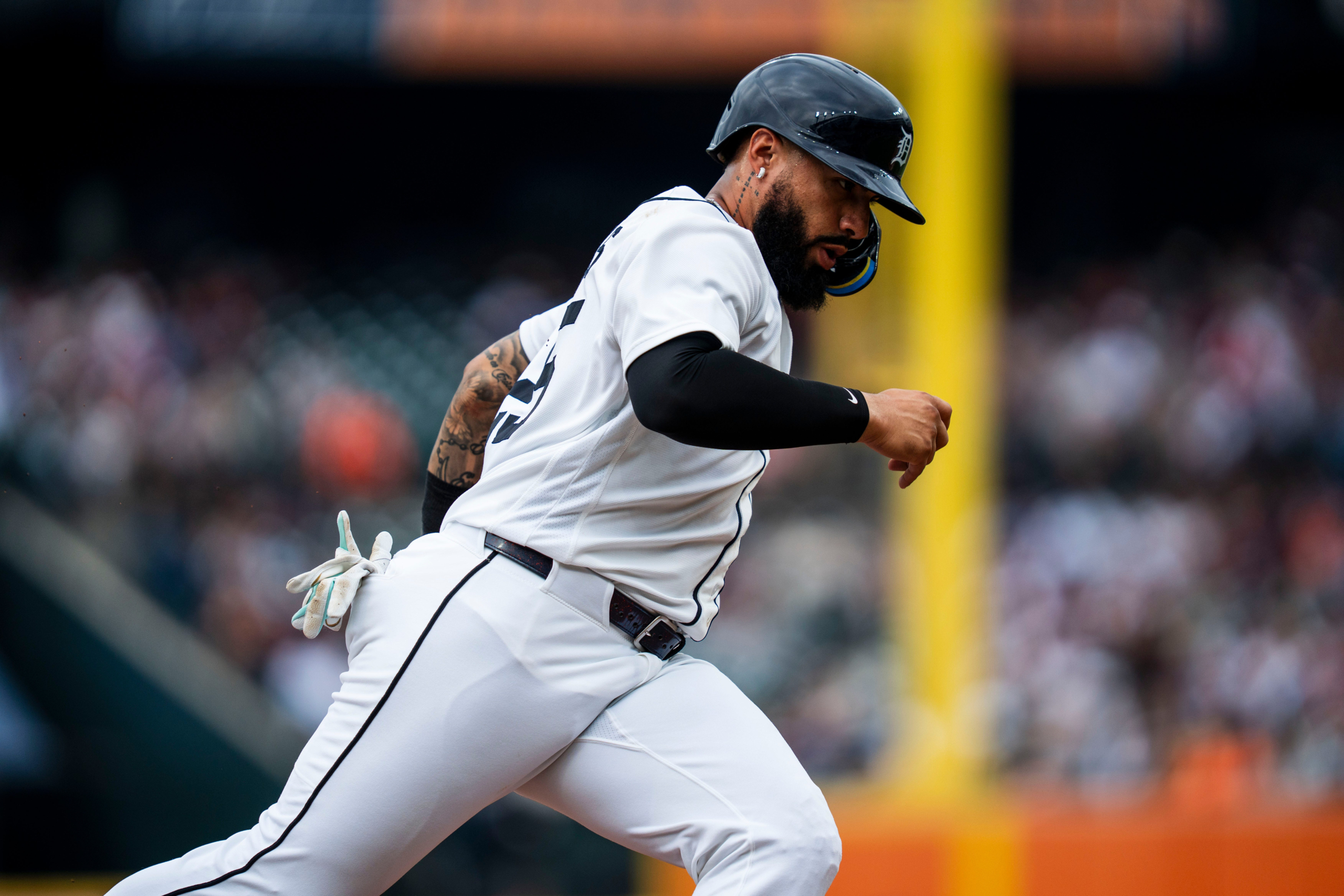
Peña is entering his final year of team control, putting Houston at a consequential crossroads, as the Houston Chronicle detailed in its shortstop analysis.
An extension would preserve an important player. A trade could replenish the organization. Keeping him for one more season preserves neither outcome.
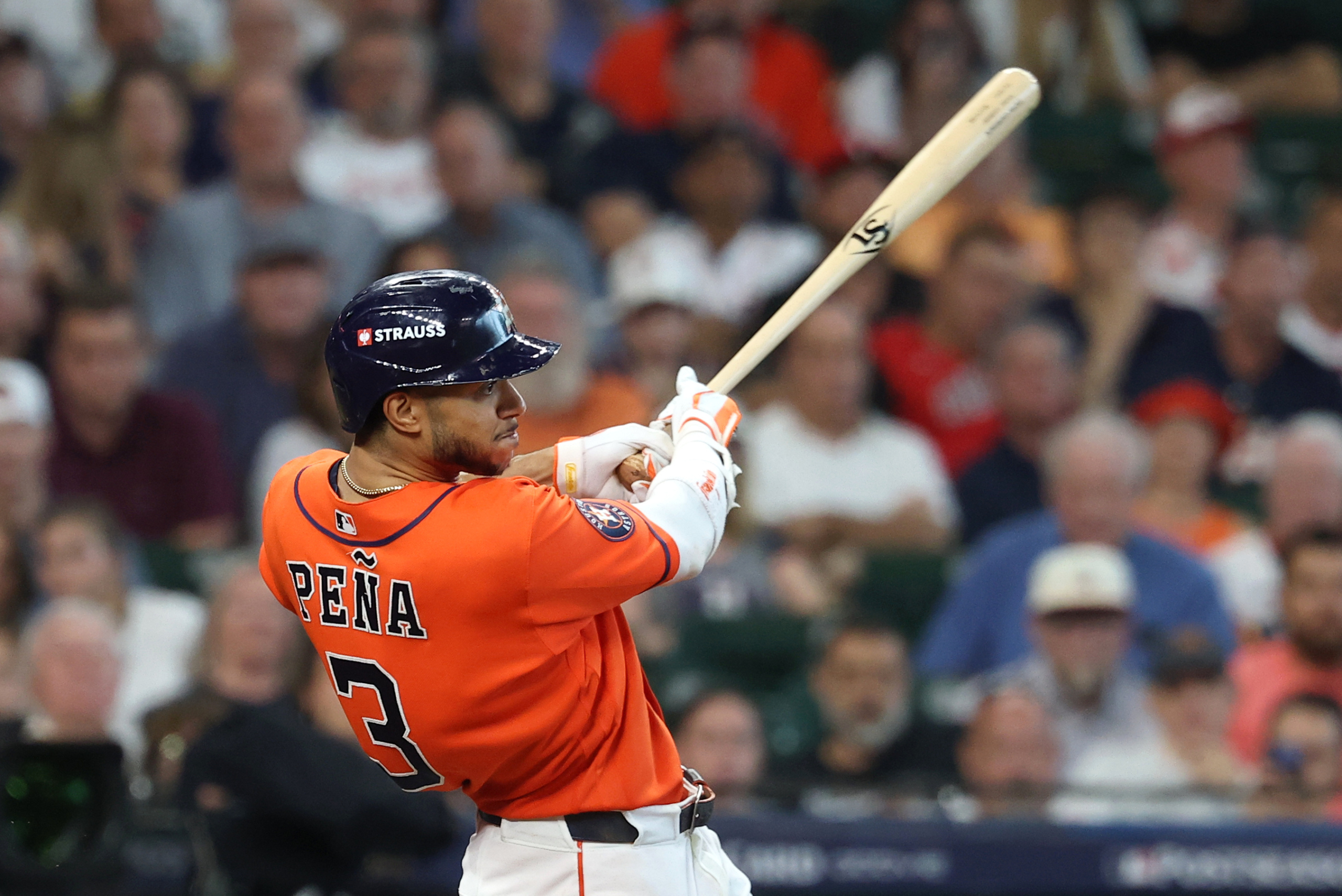
Estévez has a $13 million club option with a $2 million buyout, according to theScore’s report on his contract.
His shoulder problems make the option difficult to justify. The more interesting question is whether Kansas City should attempt a cheaper reunion after declining it.
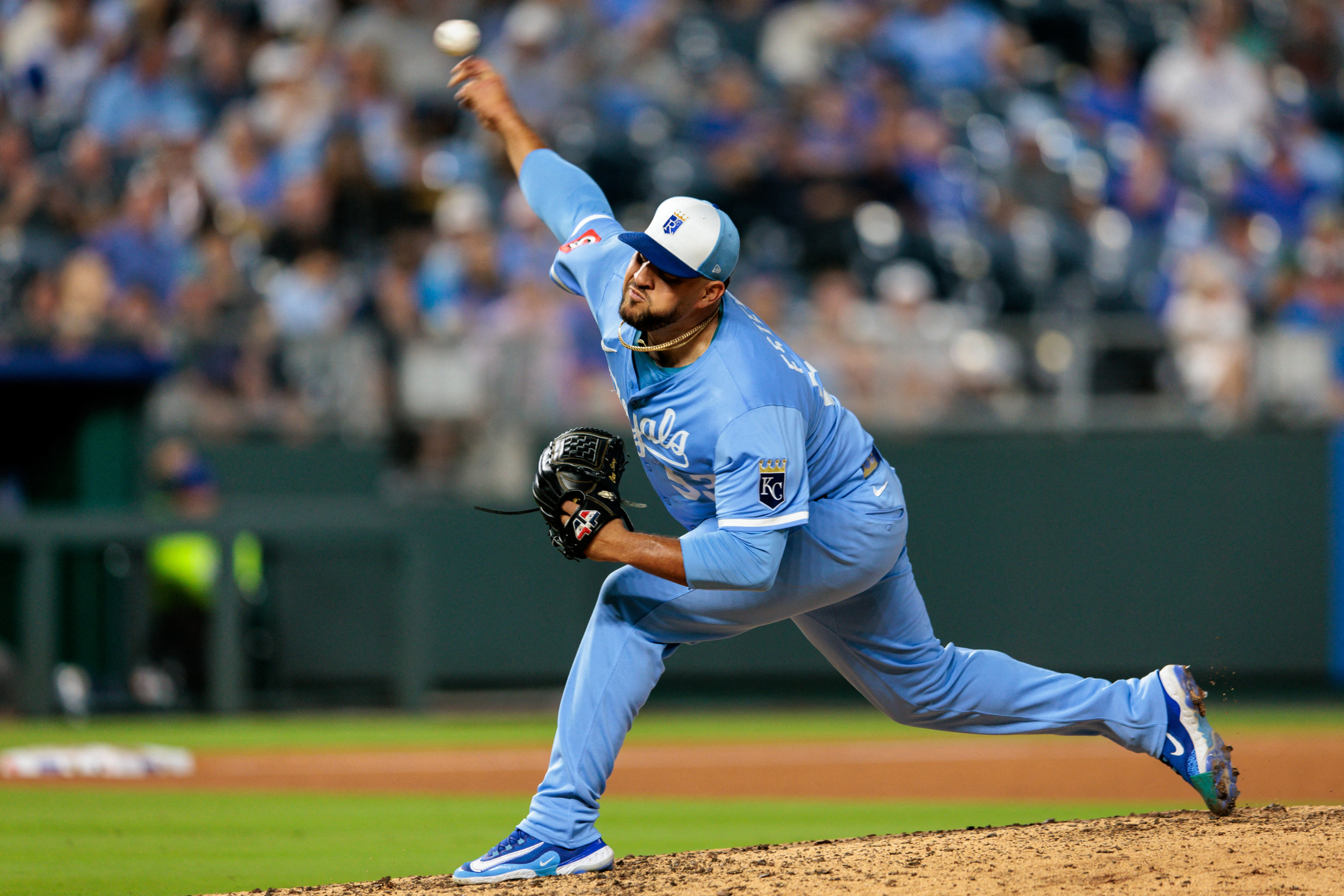
Moncada’s one-year contract is expiring, as FanGraphs’ Angels payroll page shows.
His talent makes another relatively inexpensive agreement tempting. His availability makes it difficult to treat that agreement as a solution.
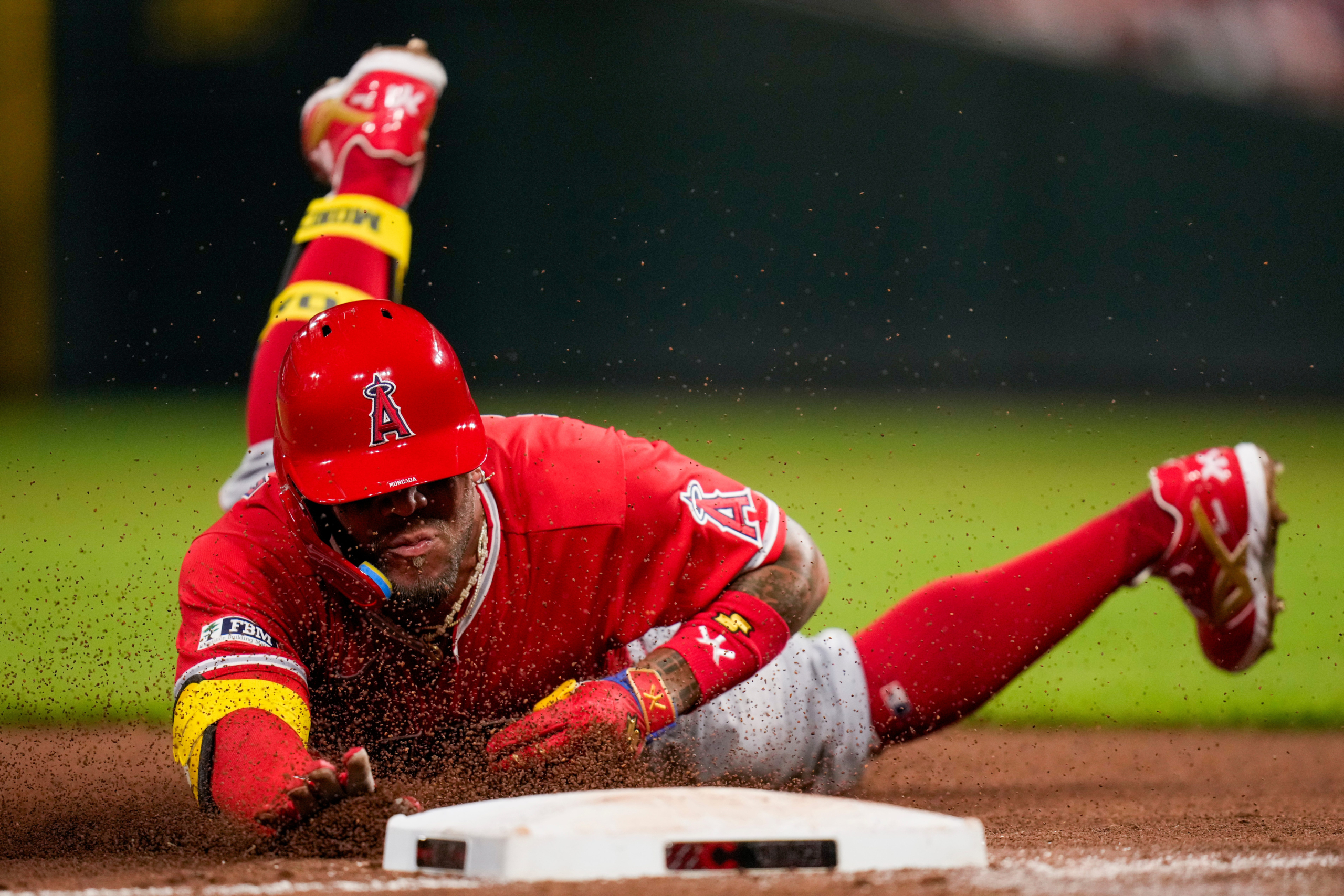
Skubal headlines the free-agent pitching market after joining Los Angeles, as Just Baseball’s offseason rankings explain.
The Dodgers can afford an enormous offer. They still must decide how much money and how many years they should commit to one pitcher.
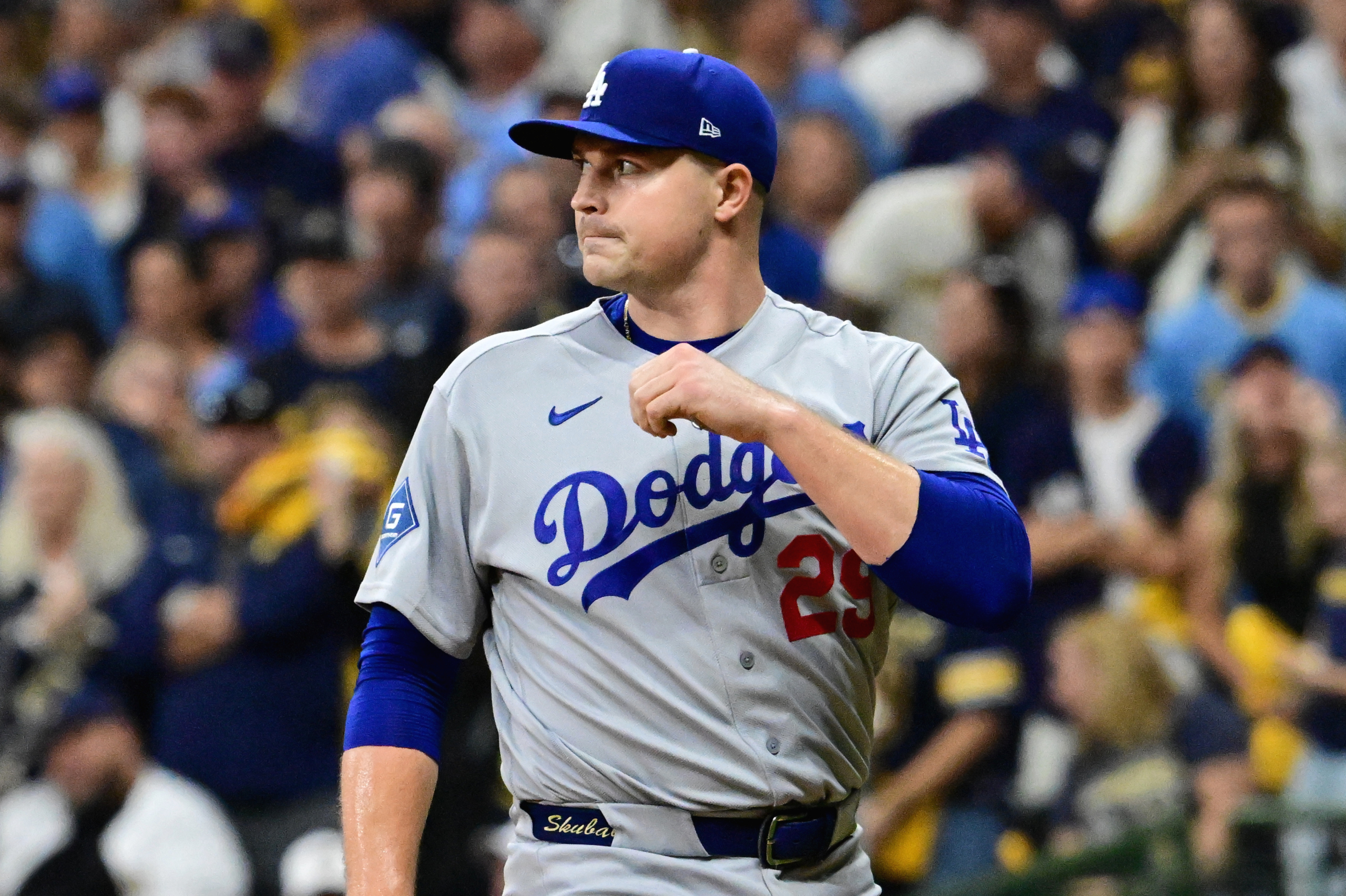
Alcantara has a $21 million club option for 2027, according to NBC Sports’ Marlins contract listing.
Exercising it is only the beginning. Miami must decide whether to pursue an extension, market the remaining control or keep him for another season without a longer agreement.
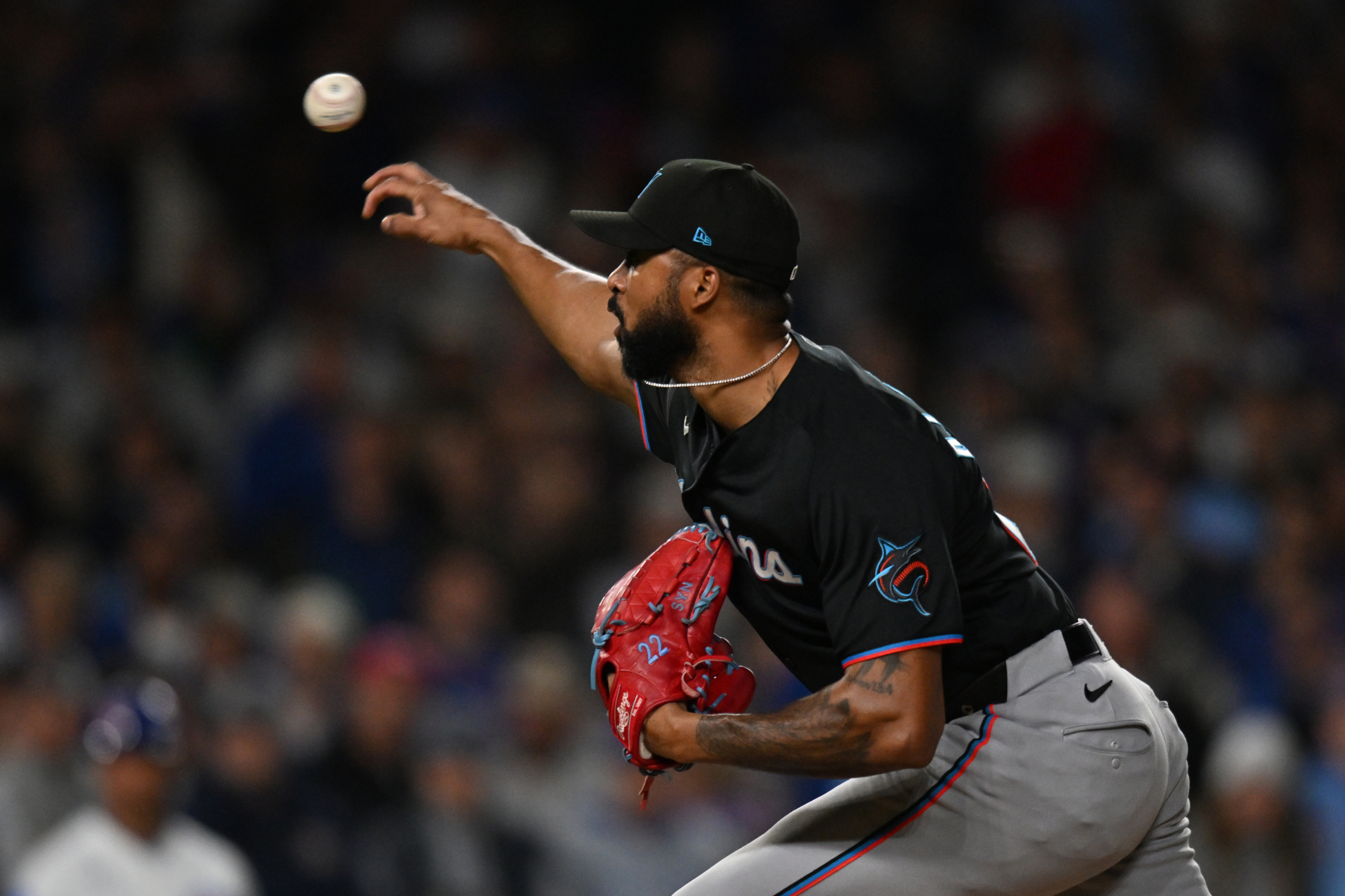
Woodruff’s shoulder history complicates another potential reunion. His latest injury initially prompted plans for surgery before that course changed.
Milwaukee must price both his ability and the uncertainty surrounding his availability.
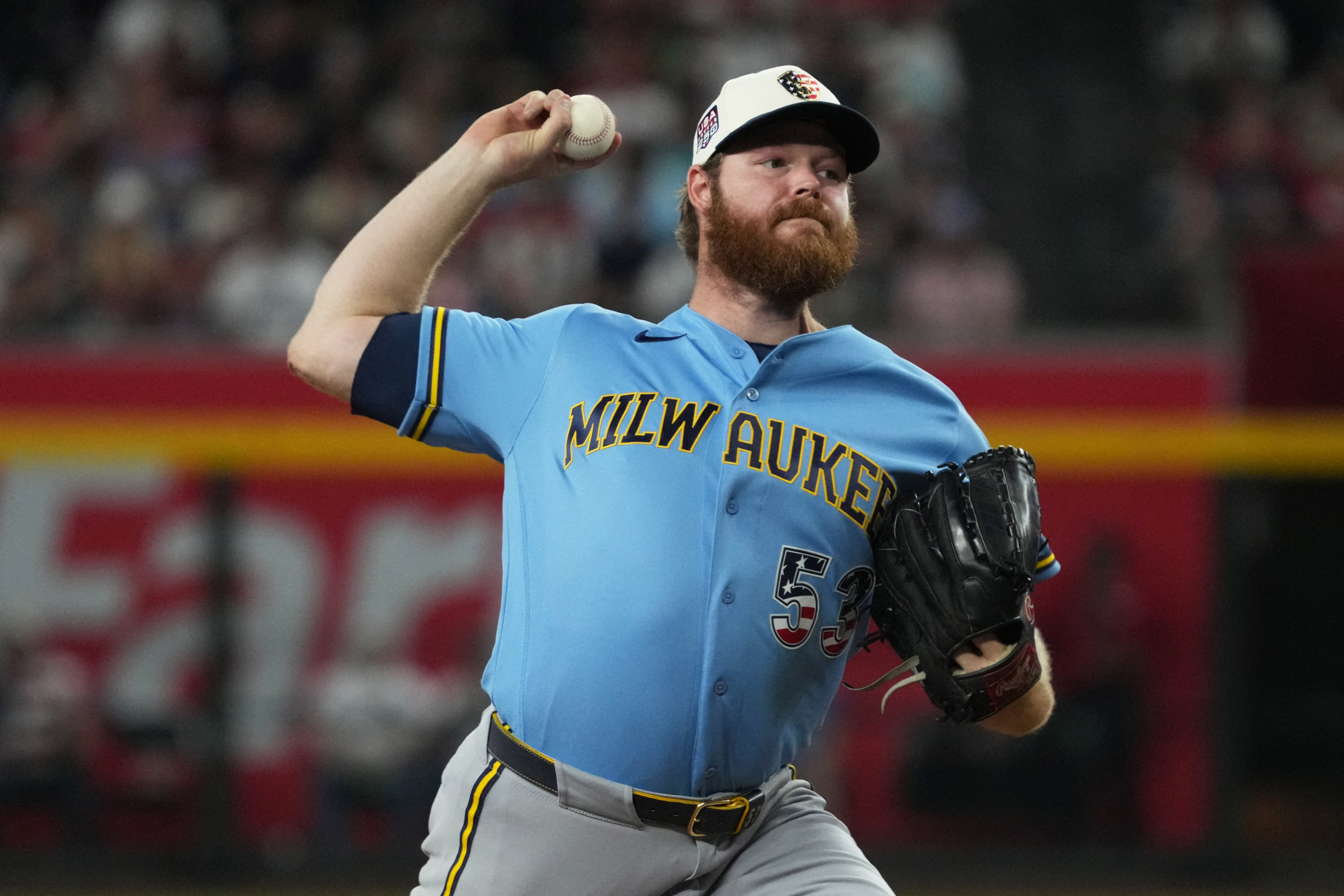
Jeffers is approaching free agency, a decision the Star Tribune examined following Minnesota’s season.
Productive catching is difficult to acquire. That also makes it expensive to retain.
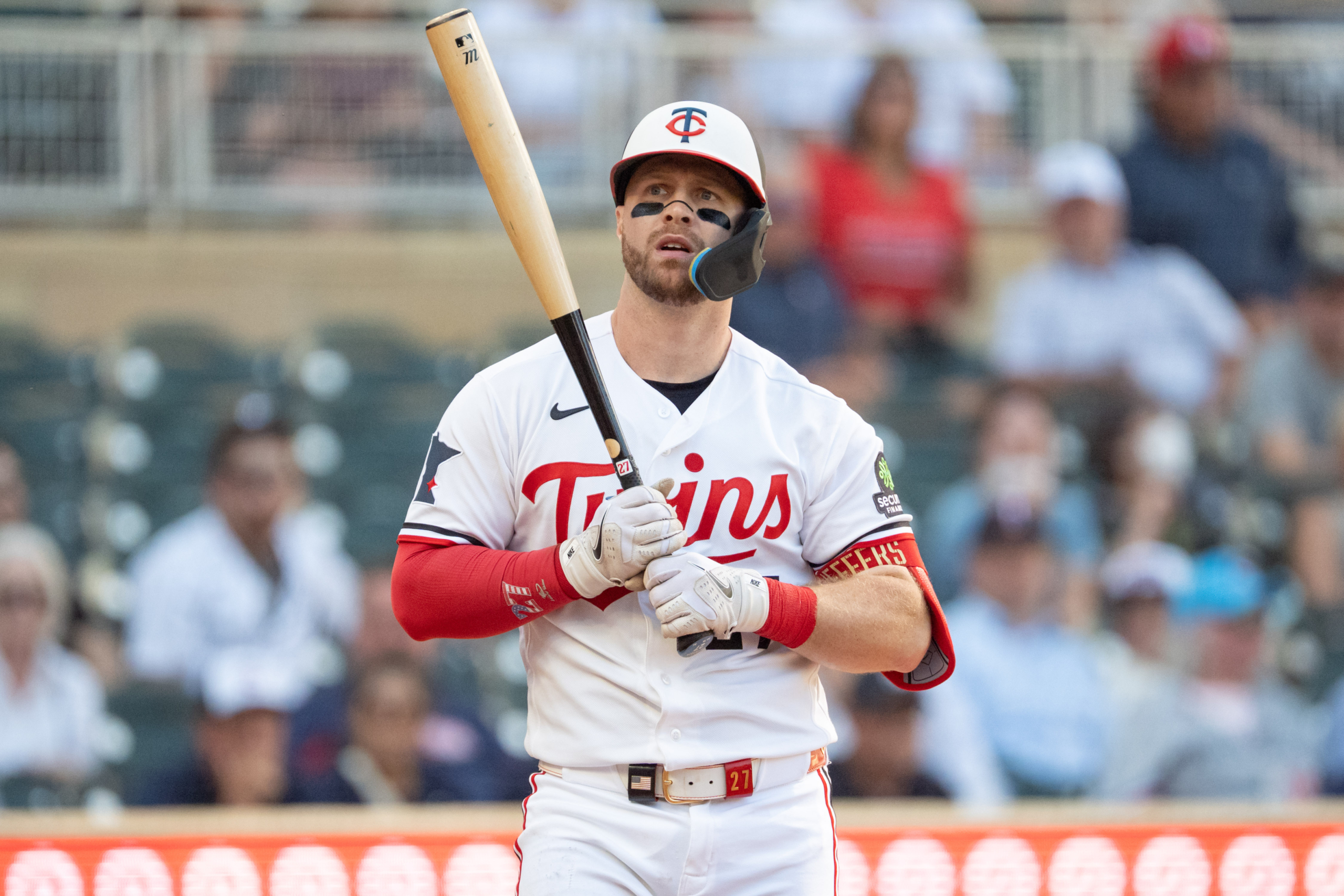
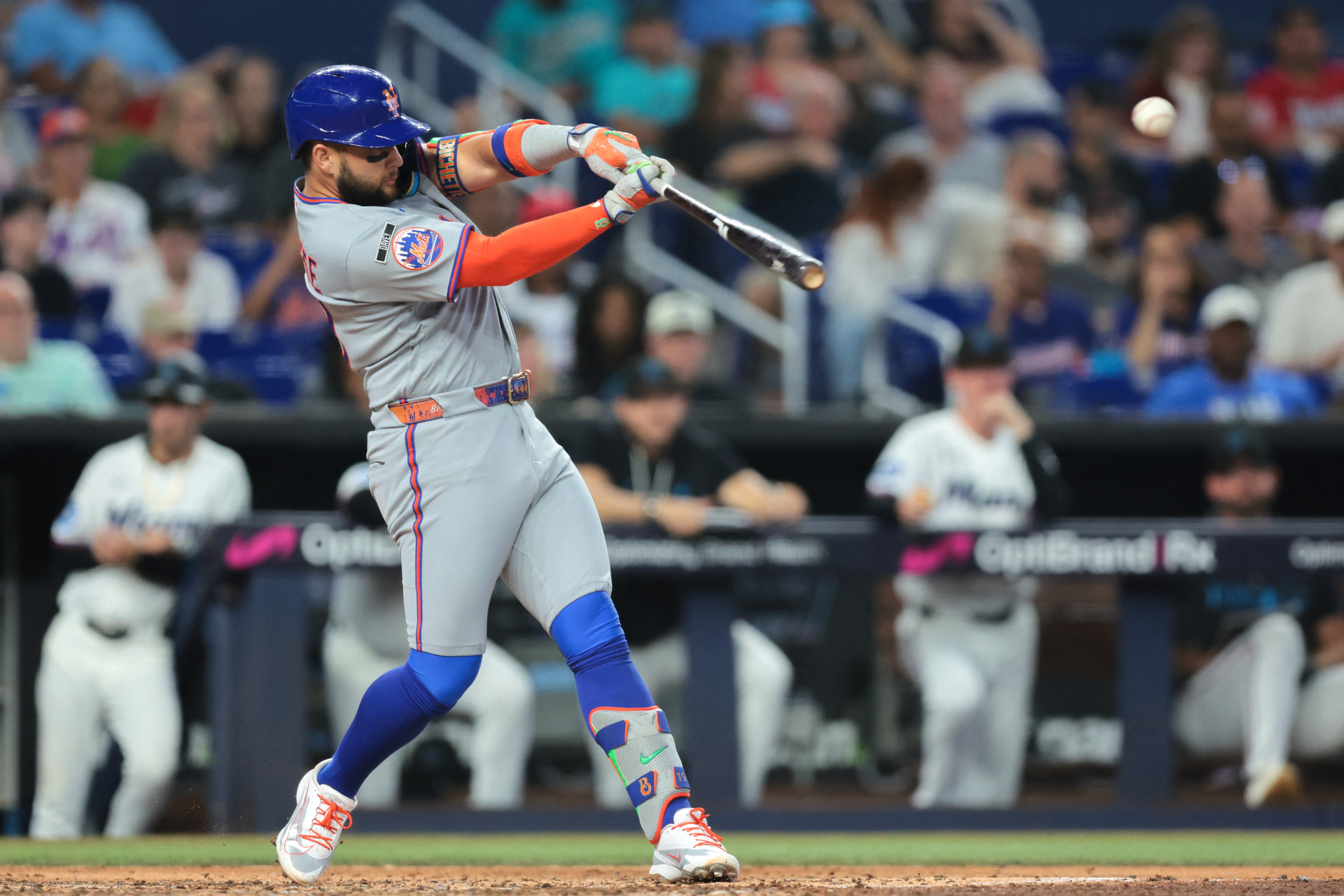
Bichette controls the initial decision through his opt-out clause, as SNY reported. The Mets’ difficult call would follow: how aggressively should they pursue him if he chooses free agency?
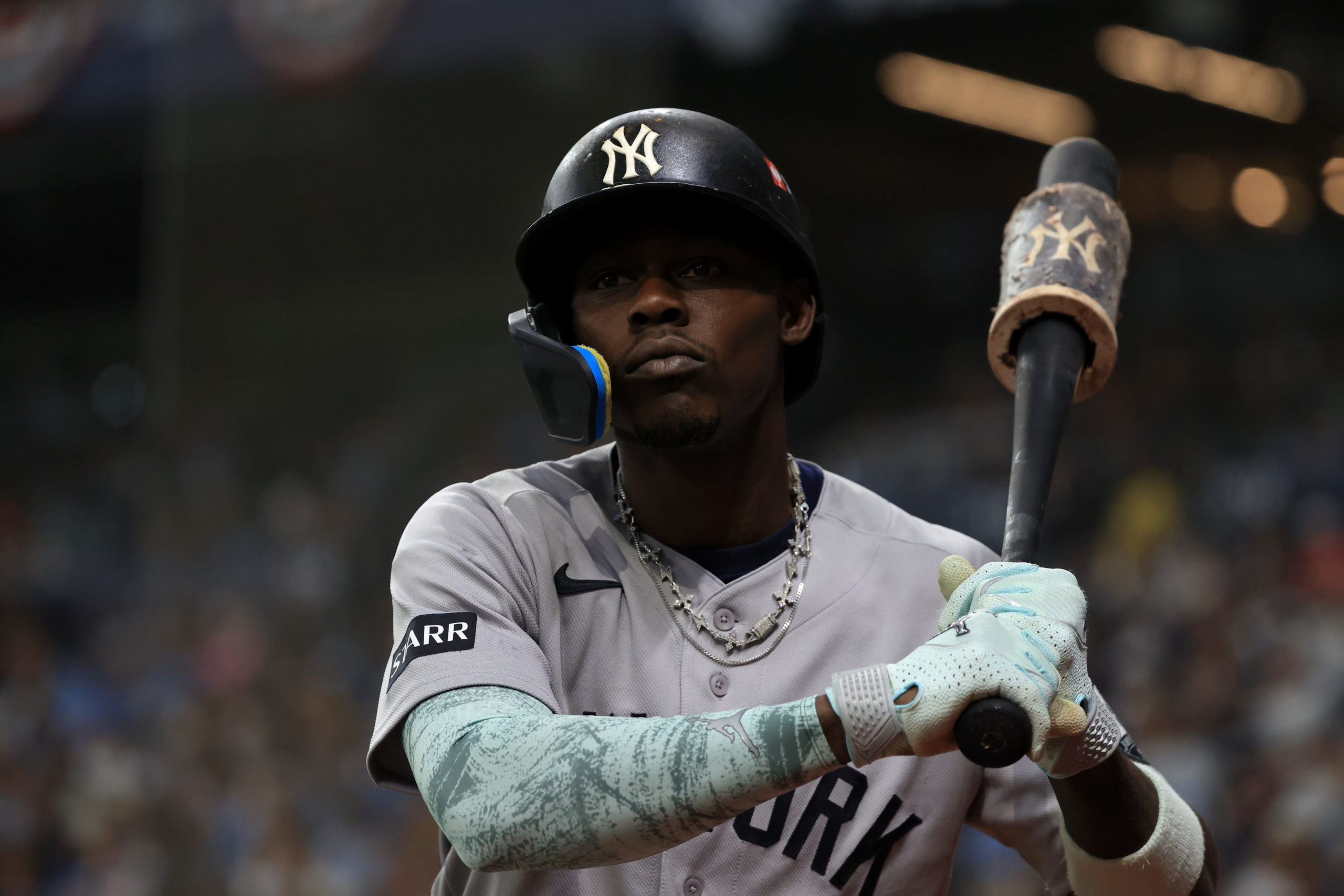
Chisholm’s impending free agency presents a difficult evaluation of talent, consistency and cost. The New York Post examined the Yankees’ crossroads with him this week.
The upside makes a departure risky. A substantial long-term commitment carries its own uncertainty.
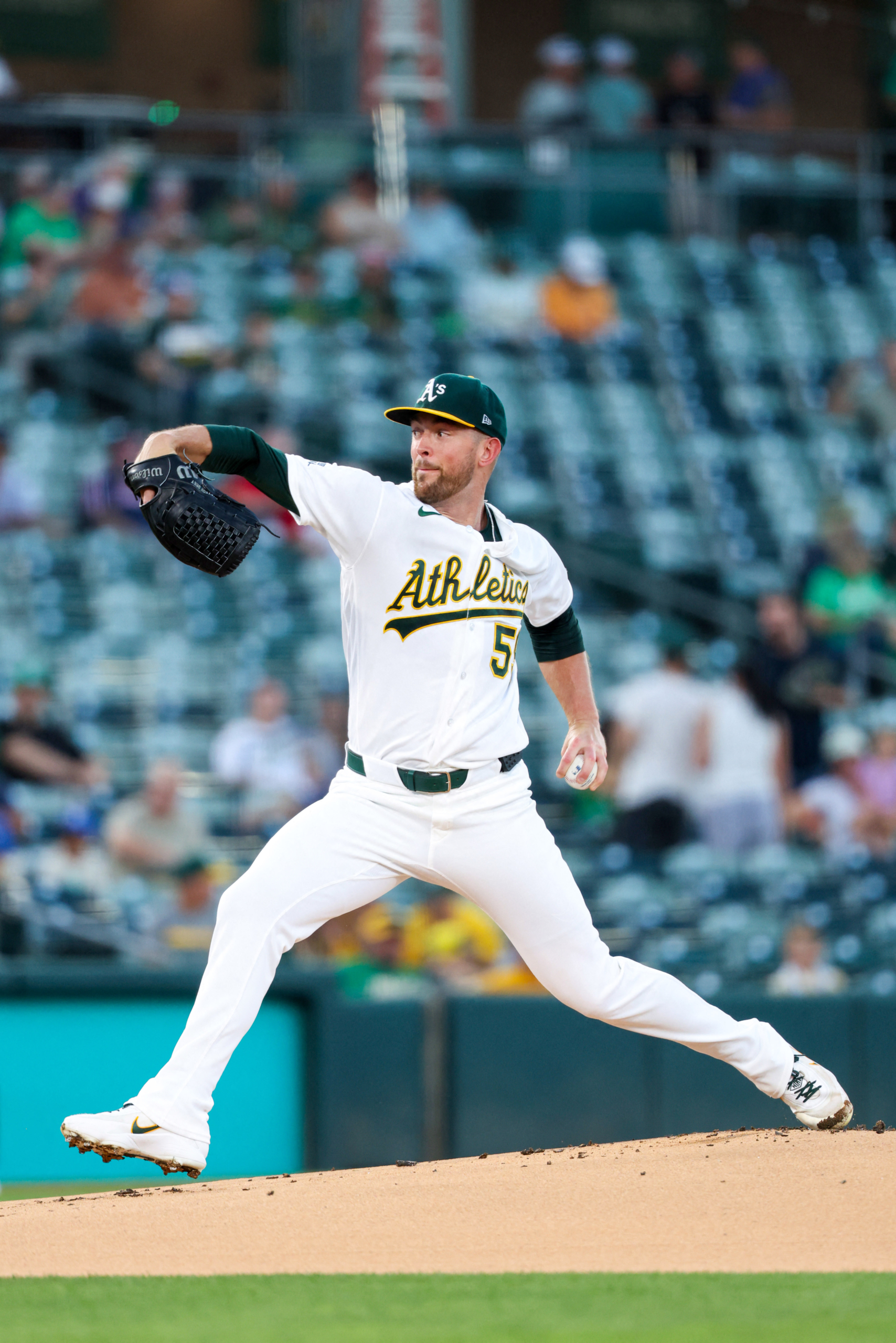
Springs has a $15 million team option, according to Athletics Nation’s offseason overview.
The Athletics need pitching, but that need should not automatically justify retaining an expensive incumbent.
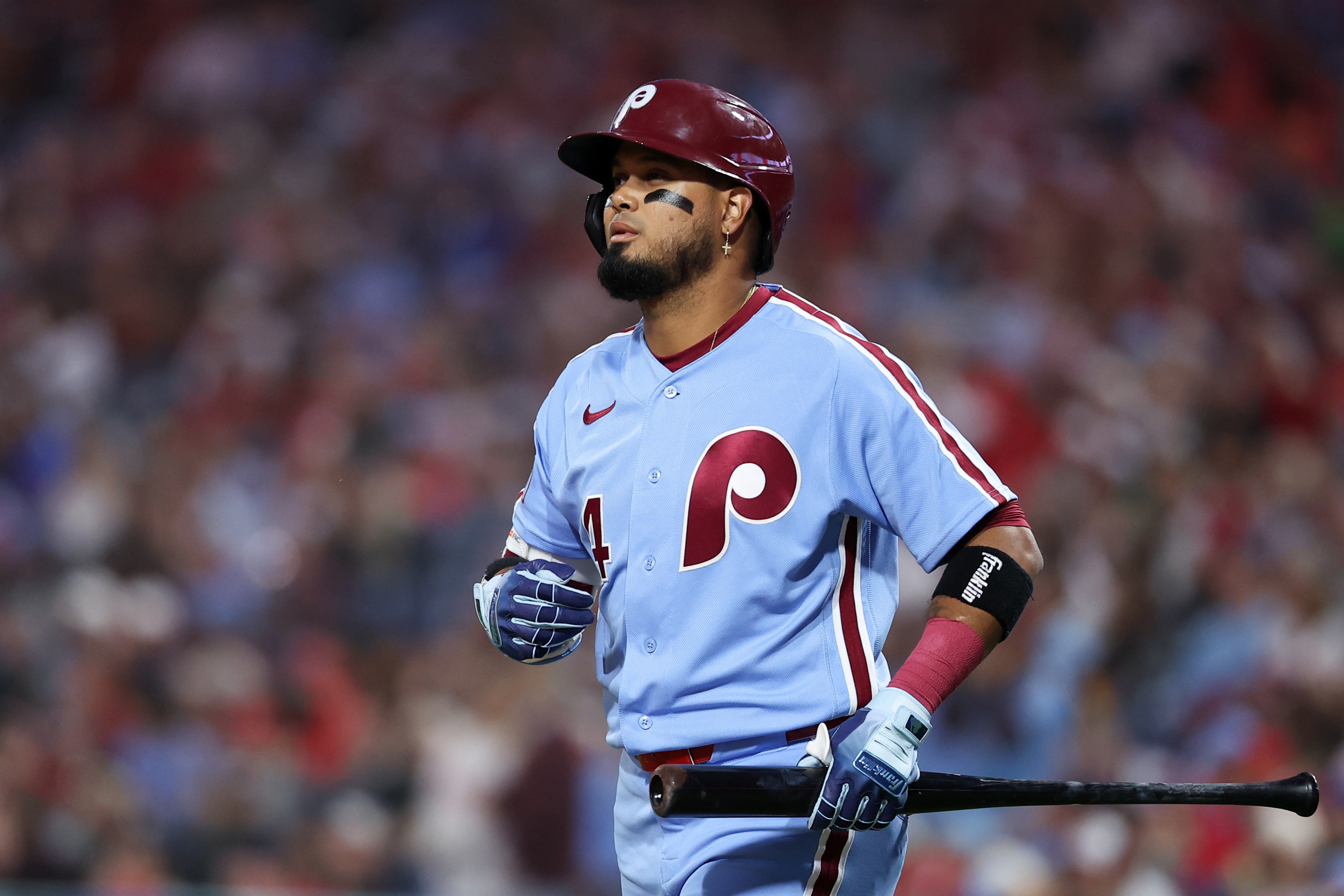
Arraez is headed toward free agency, and Phillies Nation examined whether Philadelphia should bring him back.
His contact skills offer a clear attraction. The difficult part is determining how much they improve the entire lineup once defense, power and positional fit enter the calculation.
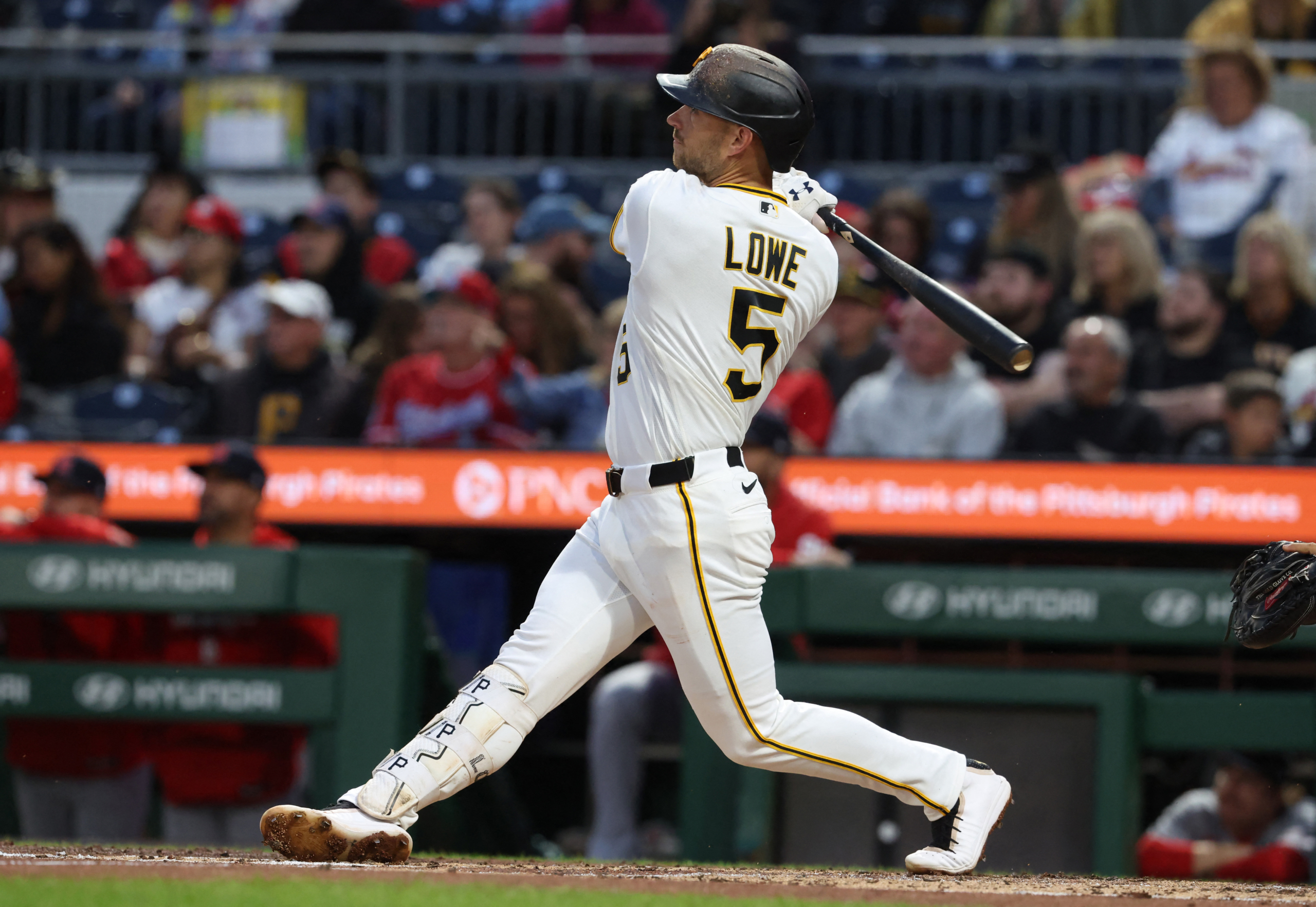
Lowe is entering free agency, and Pittsburgh Baseball Now reported his teammates’ desire to see him return.
For Pittsburgh, this is a test of whether a productive acquisition becomes part of a sustained competitive plan or another player the organization eventually replaces.
Pivetta’s contract now gives San Diego a team option after an extended injured-list absence triggered a conversion from a player option, according to Padres On SI’s contract breakdown.
That creates an unusual balance of opportunity and medical risk.

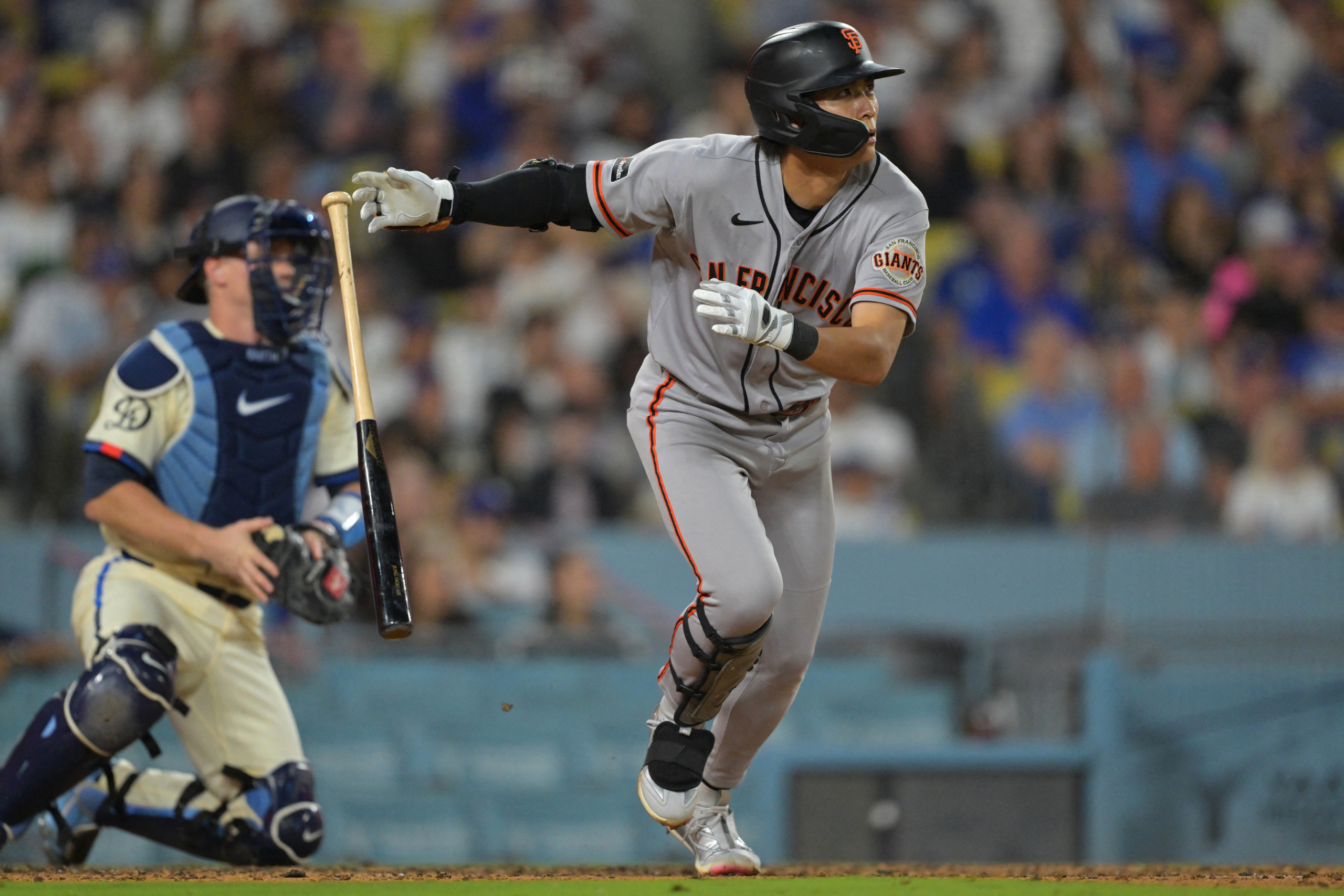
Lee is signed beyond 2027 but can opt out after next season, a complication the San Francisco Chronicle discussed in its trade analysis.
That structure creates an awkward outcome: improvement could lead to his departure, while disappointing performance could leave the remaining obligation in place.
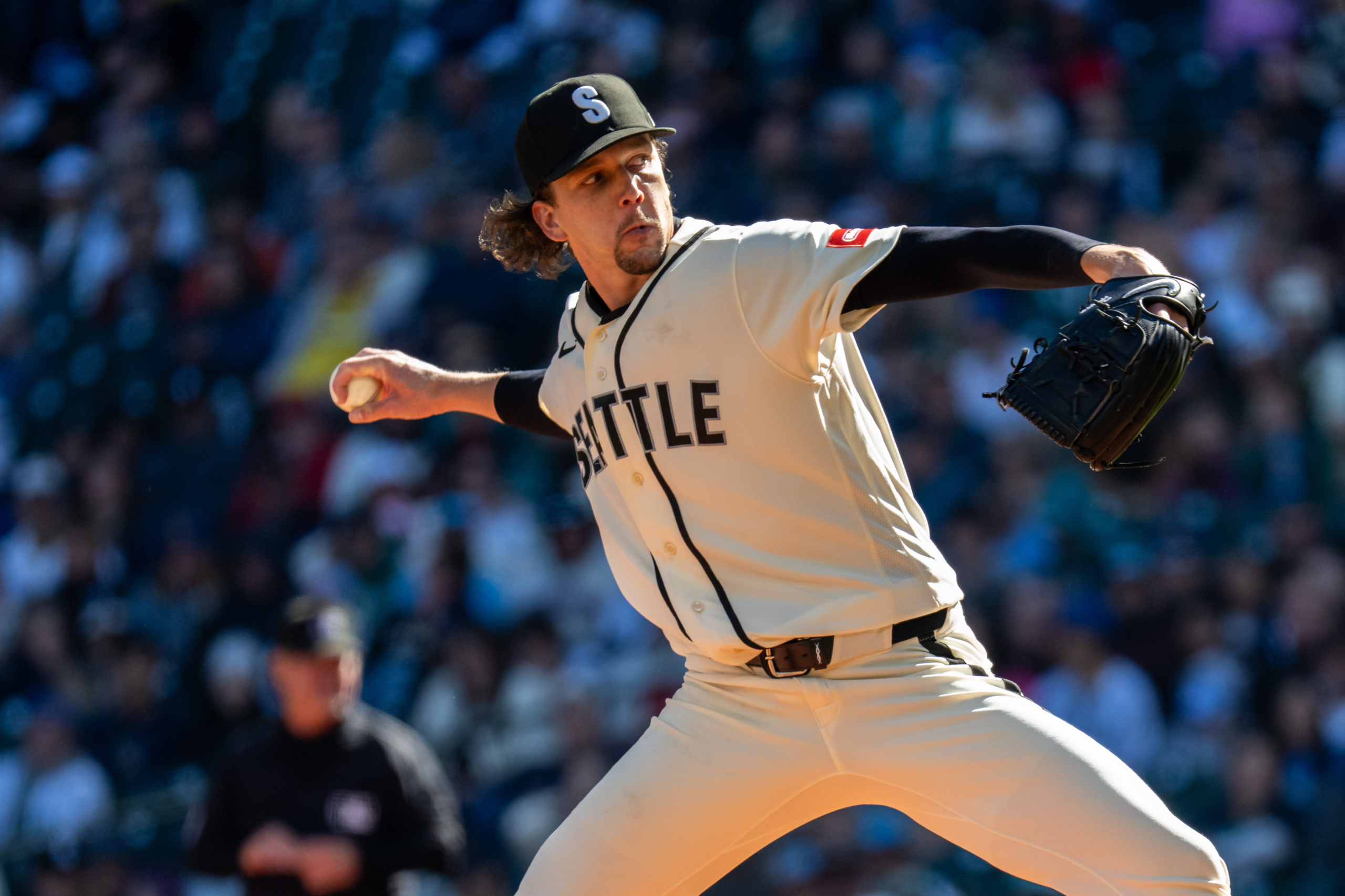
Gilbert’s approaching final season of club control hangs over Seattle’s offseason, as Mariners On SI outlined in its contract assessment.
The Mariners must determine whether they can secure him long term or should consider using his remaining value to address other needs.
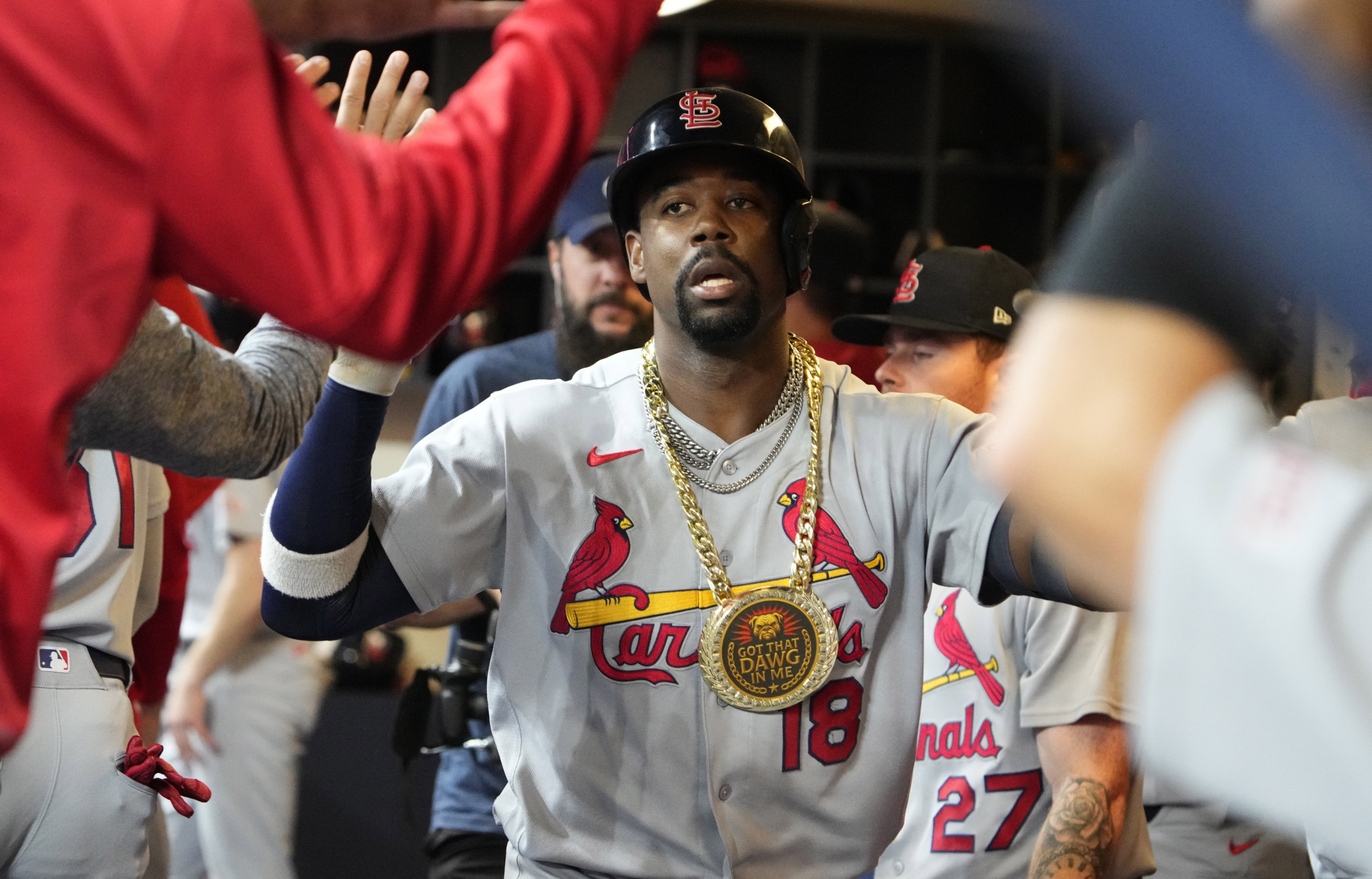
Walker is entering arbitration, according to FanGraphs’ Cardinals payroll breakdown. His improved standing makes an extension a consequential question.
St. Louis could secure future value by acting now. It could also assume unnecessary risk before seeing a longer stretch of performance.
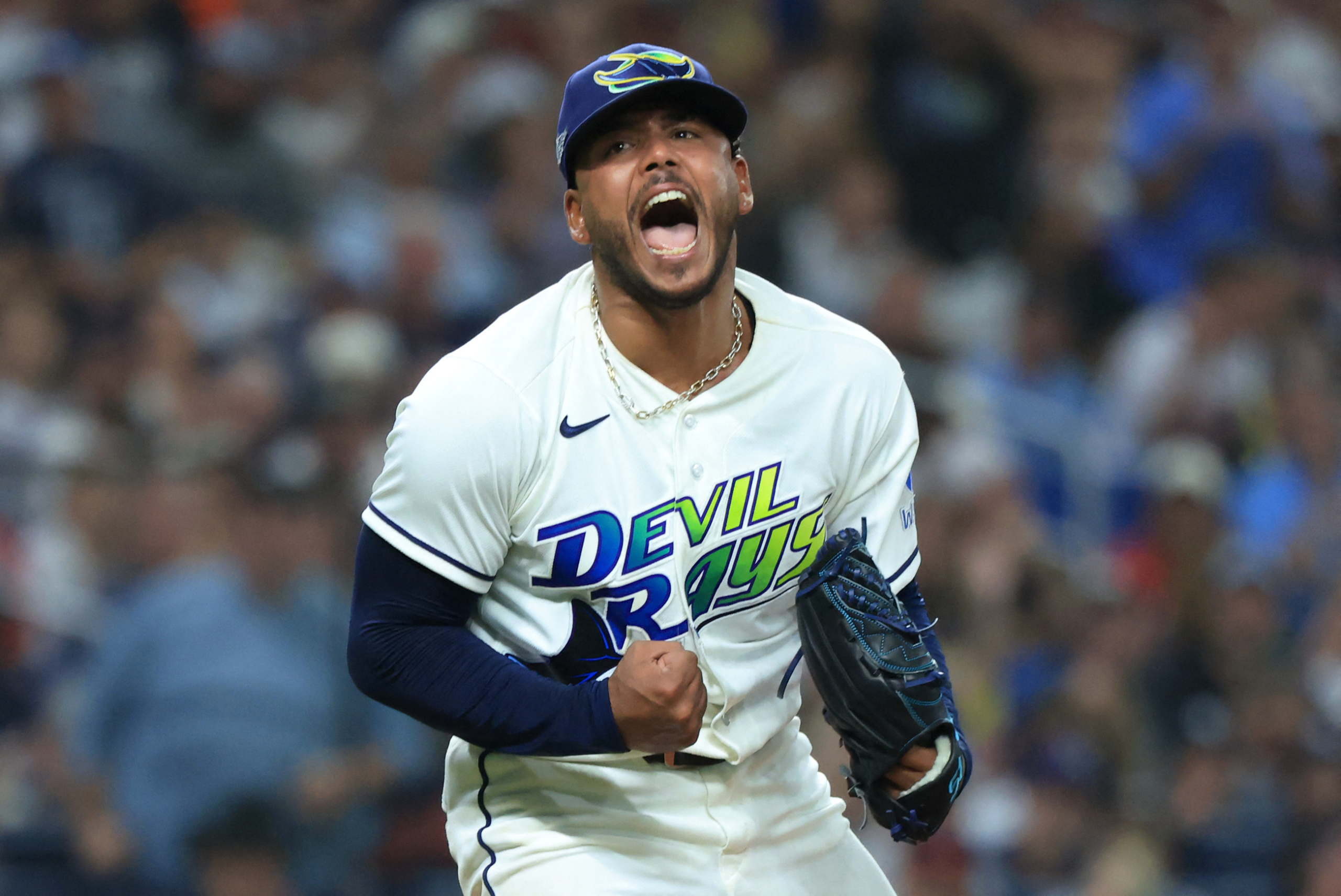
Peralta’s pending free agency has become more intriguing during Tampa Bay’s postseason run, as FOX Sports examined this week.
The Rays must decide how heavily to weight his recent performance when setting their offer.
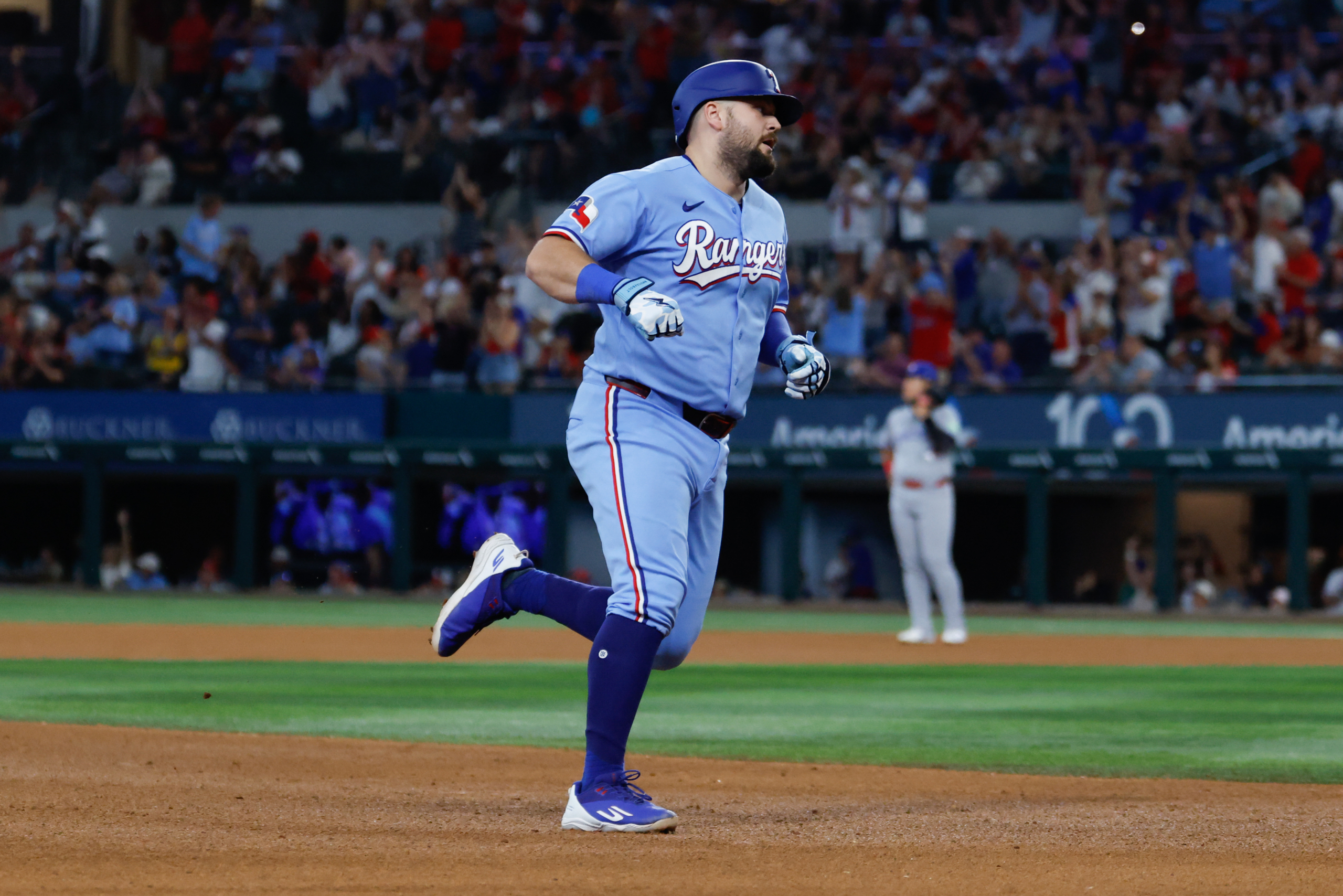
Burger’s next salary makes him a potential non-tender decision, as Lone Star Ball discussed in its roster assessment.
Texas must decide whether his offensive upside justifies the projected cost and roster fit.
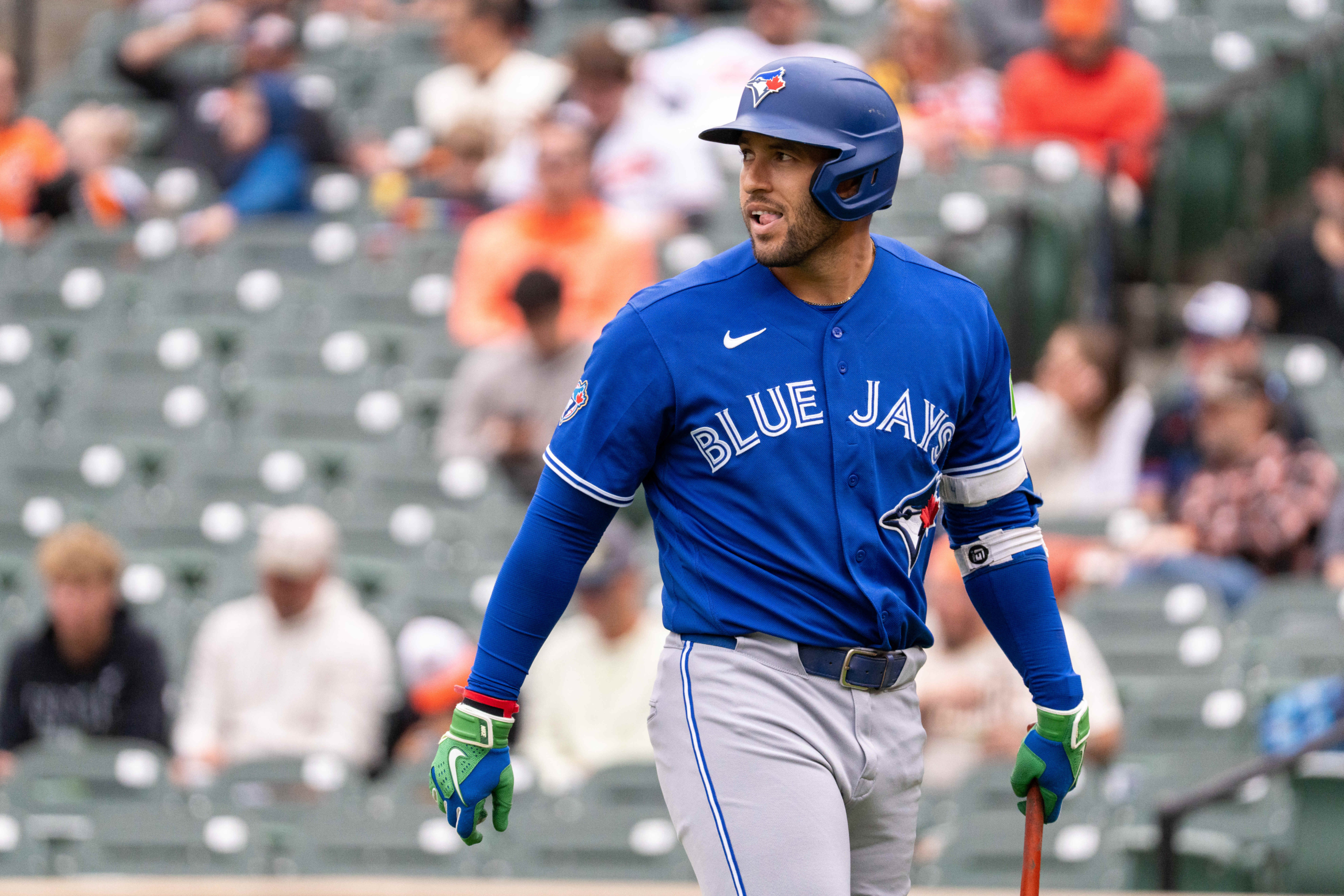
Springer has reached the end of his six-year contract, and Sportsnet reported that retirement is also a possibility.
Toronto’s decision begins with his intentions, then turns to whether the expected production and available role justify another agreement.
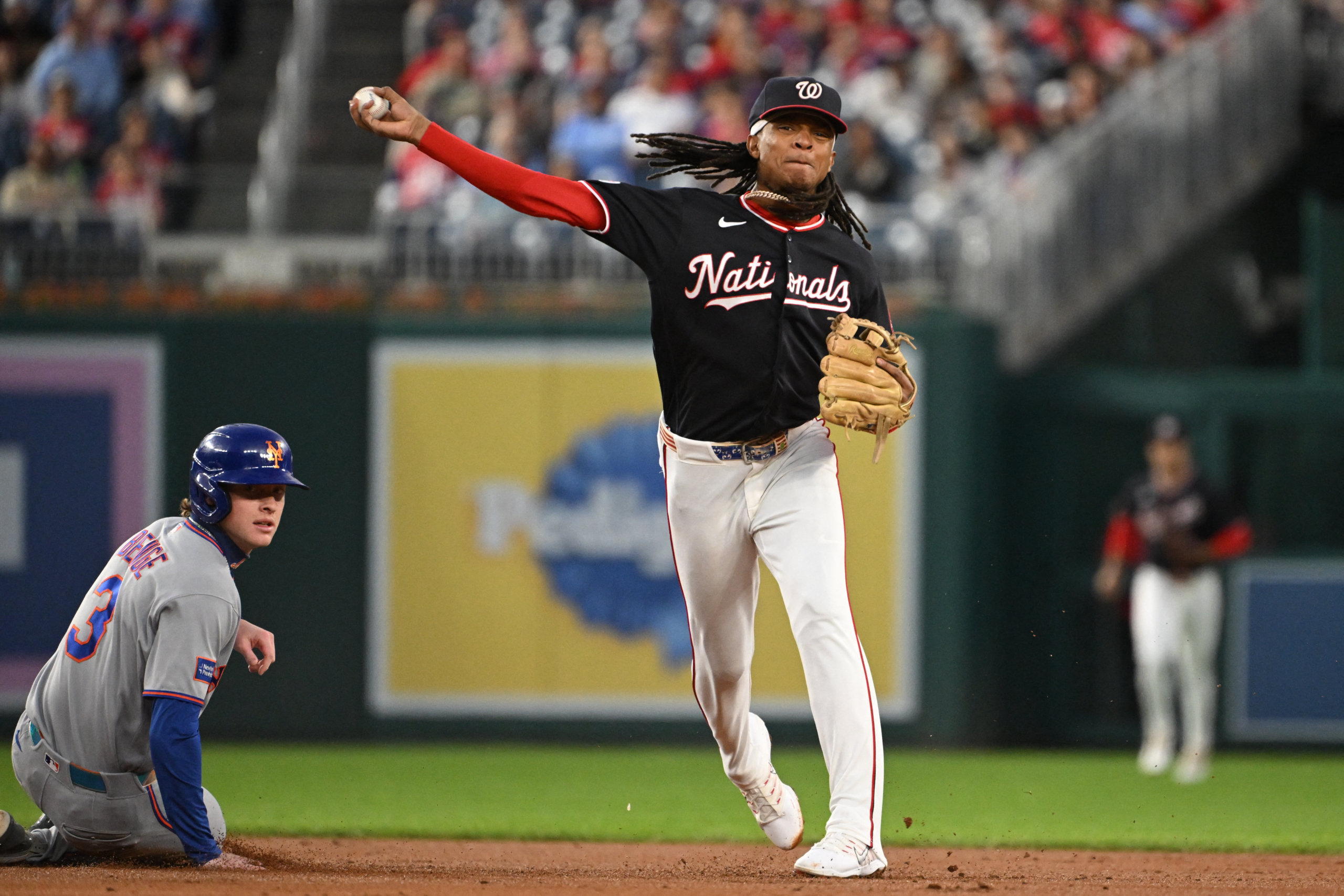
Abrams remains under team control through 2028, according to Baseball-Reference’s contract information. Washington therefore has time, but waiting could make an extension more expensive.
The question is how confidently the Nationals can project his long-term role and overall value.
Redo and mention each player’s position their section.
 Voltar
 Top
| Declaração de privacidade Termos de serviço Contact |
Atualizar

|
All the best breaking news stories from Apex Football Lite. Optimised for feature phones and low end Android devices, Apex Football Lite helps users with legacy devices and poor network connectivity access the latest football news and live scores. Particularly relevant for breaking football news in Nigeria, Kenya and South Africa.