

 Back
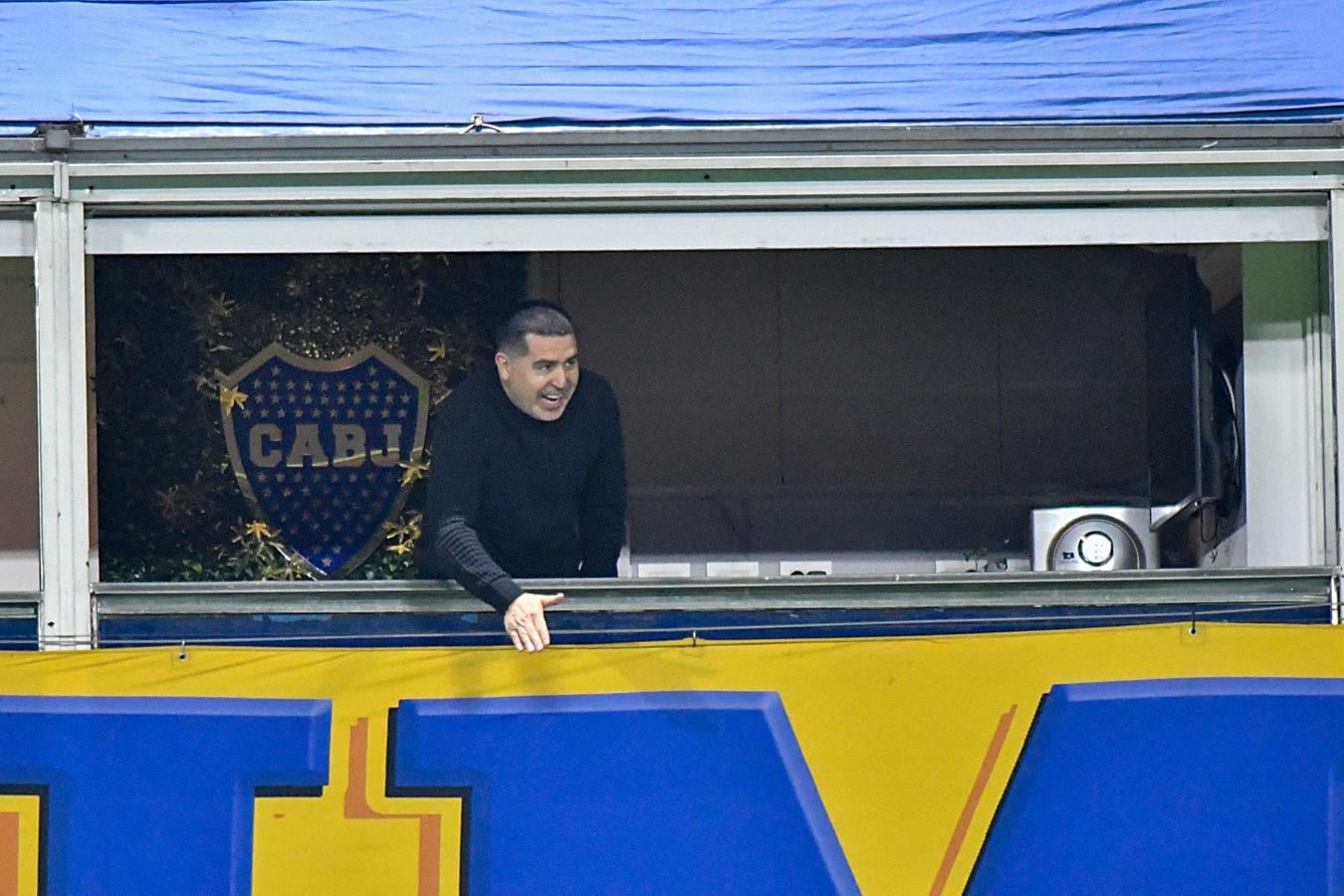
Juan Román Riquelme addressed the accidental phone broadcast that went viral across Argentine media following Boca Juniors’ 1-0 victory over Independiente, Infobae reported. The club president appeared on the streaming channel AZZ late Monday night to explain the incident, which occurred when Raúl Cascini’s telephone call with journalist Flavio Azzaro was broadcast live without their immediate knowledge. Juan Román Riquelme, who took part in an interview on the program “No Podemos Perder” starting past 23 hours on Monday, explained that he had just left the club and was feeling calm before addressing the matter alongside his remarks on Argentine football and his private life.
The controversy began on Sunday night when Cascini, a former member of Boca’s football council, spoke with Azzaro after the team’s win against Independiente. Riquelme chimed in from the background with lighthearted remarks about a pending barbecue and a joking reference to striker Sebastián Villa. Nos enteramos que no jugaba Villa y nos quedamos.
No sabés qué asado nos comimos, estamos acá hechos mierda
Riquelme bromeó before Azzaro interrupted to warn him that they were live on air, prompting an astonished response from the club leadership. Cascini also engaged in further remarks during the call, stating Decile al gallina que tenés ahí que lo voy a agarrar cuando vaya…
in reference to Renzo Pantich, the journalist covering River Plate, before the conversation concluded.
Clarifying the episode during the program “No Podemos Perder,” Riquelme downplayed the situation as a casual misunderstanding between friends. You know very well I don’t watch much TV, and later I found out we were on the air.
The club president added that he chats regularly with friends including Chipirito and Pirulo, whom he described as his brothers and who have cooked barbecues at his home since he was 10 years old.
With the decisive Superclásico against River Plate looming, Riquelme evaluated Boca Juniors’ current standing across multiple competitions. The club remains active in the final stretch of the season, balancing aspirations in domestic tournaments and continental play, with fixtures including a Copa Sudamericana final, Copa Argentina semifinals, the closure of the annual table, and Torneo Clausura playoffs. Looking toward these horizons, Riquelme stated, Ojalá que los muchachos consigan los títulos
and predicted a great match on Sunday due to both teams having good players, while expressing his hope that Boca can win.
The Boca president reserved particular praise for manager Rodolfo Arruabarrena, highlighting his deep identification with the institution. He is a very cheerful person who has things clear and feels the colors deeply.
Riquelme added that the technical staff has successfully united a cohesive group of players heading into the final weeks of the campaign, noting that Arruabarrena completed his youth categories at the club and sharing fond memories of playing alongside him for many years. He also expressed similar warm feelings toward previous managers like Sebastián Battaglia and Hugo Ibarra, and praised Leandro Paredes as an exceptional talent who loves the club and won everything he played.
Amid intense scrutiny surrounding officiating in Argentine football ahead of the weekend derby, Riquelme rejected the notion of publicly targeting individual referees. He argued that teams must exercise internal accountability rather than shifting blame. Referencing previous high-stakes eliminations, including a contested semifinal against Estudiantes de La Plata, Riquelme maintained that the best side ultimately prevails over the course of a tournament. He also accepted responsibility for results, stating that losses fall upon him while victories belong to the squad and technical staff.
On the administrative front, Riquelme defended the board’s fiscal management and provided an update on infrastructure goals at La Bombonera. He confirmed that stadium expansion proposals remain under review, though he cautioned against generating unrealistic timelines given the neglected state in which the current administration found the facilities upon election.
In the latter portion of the broadcast, the conversation turned toward personal milestones and difficult chapters in Riquelme’s life. The former playmaker reflected on the April 2002 kidnapping of his brother Cristian, recalling it as one of the most painful trials of his career. Riquelme shared that following his brother’s safe return, Cristian insisted that he play in Boca’s upcoming match against Huracán—a request the midfielder fulfilled before the family relocated temporarily to Barcelona later that year.
 Back
 Top
| Privacy Statement Terms of Service Contact |
Refresh

|
All the best breaking news stories from Apex Football Lite. Optimised for feature phones and low end Android devices, Apex Football Lite helps users with legacy devices and poor network connectivity access the latest football news and live scores. Particularly relevant for breaking football news in Nigeria, Kenya and South Africa.